
The Basics: Voltage, Current, Resistance
Voltage (V): The electrical pressure that drives current through a circuit. HVAC systems use line voltage (120V or 240V) and low voltage (typically 24V for controls).
Current (I): The flow of electrons through a circuit, measured in amperes. Amperage is what does the work.
Resistance (R): Opposition to current flow, measured in ohms.
Ohm's Law: V = I × R — this governs every circuit. If you know two of the three values, you can calculate the third.
Power: P = V × I — a 240V circuit drawing 15 amps uses 3,600 watts.
Reading a Wiring Diagram
Every HVAC system comes with a wiring diagram, usually on a sticker inside the unit. Learning to read these is non-negotiable.
Wiring diagrams show components, connections, voltage levels, and the sequence of operation.
Start by identifying the line voltage section (typically shown at the top) and the low-voltage control circuit (shown separately, usually at the bottom). Most problems are in the control circuit — the 24V section that tells the high-voltage section what to do.
Trace the circuit by following the current path from the power source through each component back to ground. A component that has power on one side and not the other is where the circuit stopped.
Multimeter Skills
Voltage measurement: Measure at key points to confirm power is present. Full voltage across a component means it's open — no current is flowing through it.
Continuity / resistance measurement: Power off. Test components for continuity or expected resistance. An open winding on a motor reads infinite resistance. A shorted winding reads near zero.
Current measurement (clamp meter): Clamp around a single conductor to read current flow. Compare to nameplate data — a compressor drawing 20A when it should draw 14A is working too hard.
Key Components
Contactor: Switches line voltage to the compressor and outdoor fan motor. The coil is usually 24V, controlled by the thermostat. Pitted contacts cause voltage drop and eventual failure. Check voltage drop across the contacts — more than 2-3V indicates wear.
Capacitor: Stores and releases energy to help motors start and run. Capacitors fail frequently. Test with a capacitance meter — below 90% of rated microfarads should be replaced.
Safety switches: High-pressure switches, low-pressure switches, roll-out switches, limit switches. Each is a normally-closed switch that opens to cut power when a safety condition is detected. When a safety switch opens, find out why — don't just reset it.
Control board: The brain of modern systems. Executes the sequence of operation and monitors safety conditions. Error codes are your first diagnostic tool when a control board is involved.
Safety
Line voltage kills. Treat every wire as live until you've personally verified it's not.
Lock out / tag out on commercial and larger equipment. Use your voltage tester before touching anything. If you're not sure, don't assume.
Arc flash from high-amperage equipment is a genuine hazard. Know the equipment you're working on, wear appropriate PPE, and follow the manufacturer's safety procedures.
Was this helpful?
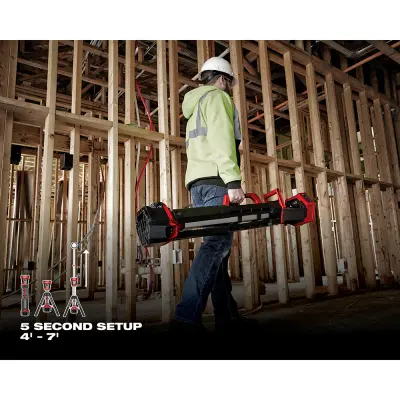
M18 ROCKET™ Tower Light
5-second setup. The jobsite light every tech needs.
Shop at Home Depot →Keep Reading

Got a question? A funny story? A win from the field?
Drop your email and share what's on your mind. Best questions become articles.