
Every comfort advisor eventually asks the same question: is there a script that actually works? Something you can run in the home that leads to closed deals without sounding like a used car salesman.
The answer is yes — but it's not a script in the way most people think. It's a sequence. A framework of what to say at each stage of the call, in what order, with actual words you can use. You don't memorize it like an actor reading lines. You internalize the structure so every call flows the same way, even when the conversation goes sideways.
Here's the full call, from pulling up to the house to closing the deal. Every line is something a top HVAC closer would actually say.
Before You Knock
Sit in the truck for two minutes. Look at the house. Notice the landscaping, the age of the windows, the condition of the roof, the vehicles in the driveway. You're already learning about the homeowner before they open the door.
Check your appearance. Clean shirt, shaved or neat beard, shoes that won't track up the floor. Grab your shoe covers, a notepad, your phone for photos, and your quote builder. Nothing else goes in with you on the first visit — you don't need a bag full of parts intimidating the homeowner before you've even said hello.
At the Door
Keep it simple and warm. Don't pitch anything yet.
"Hey, I'm Isaac with [company name]. Thanks for having me out today. Before I touch anything, would you mind showing me the thermostat and telling me what the system's been doing?"
That's the whole opening. No credentials. No brochure. No company history. Just a calm introduction and a request to see the thermostat.
Why the thermostat? Because it gets the homeowner walking with you through their own house. It puts them in a teaching role — they're showing you something — which lowers their guard. And it gives you time to observe the home, the family, the layout, and the problem before you say anything about equipment.
On the Way to the Thermostat
This is pure relationship-building. Ask open questions. Listen more than you talk.
"How long have you been in the house?"
"What's the system been doing that brought us out today?"
"Are there rooms that don't seem to get comfortable? Upstairs? Basement?"
"How long have you been dealing with this?"
Don't take notes yet. Just listen. The homeowner is telling you everything you need to know about what to present later — you just need to pay attention.
Before You Start Working
Set time expectations clearly. This prevents everything from feeling rushed later.
"This might take about an hour depending on what I find and any questions you have. Will that work for you?"
If the homeowner says they have to leave in 30 minutes, now you know. Reschedule if the conversation matters. Don't try to squeeze a full presentation into a rushed call — you'll lose the sale and waste everyone's time.
During the Diagnosis
Take photos. A lot of them. Cracked heat exchangers, corroded connections, undersized ductwork, filters that look like felt — anything that tells the story of the system. You're building evidence.
Narrate what you're doing, but don't lecture. Keep it simple.
"I'm going to check the refrigerant charge on this real quick to see how it's performing."
"I'm going to look at the ductwork connections to make sure they're sealed up."
"Going to take a few pictures so I can show you what I'm seeing when we sit down."
Bringing the Homeowner Into the Conversation
Before you present options, walk the homeowner through what you found. Show them the photos. Use language they understand.
"Come here for a second — I want to show you something. See this crack in the heat exchanger? That's the part that separates the flames from the air that goes into your house. When it cracks, you get carbon monoxide mixing with your breathing air. It's not something I'd recommend trying to fix — the heat exchanger is basically the core of the furnace."
You're not scaring them. You're showing them what you found and what it means. Transparency builds trust faster than any pitch.
Asking Permission to Present Options
Before you pivot from diagnosis to presenting solutions, ask permission. This is the single biggest trust move in the whole call.
"So I can fix what we found today — that's one option. Would it be okay if I also showed you what a longer-term option looks like? That way you can compare the repair path with the replacement path and decide what makes the most sense for you."
Almost every homeowner says yes to this because it doesn't feel like a pivot. It feels like respect.
Sitting Down at the Table
Get both decision-makers at the table. If only one spouse is home and the repair is small, you can probably close. If the repair is major or replacement is on the table, say this:
"This is a big decision. Would it make sense for me to come back when you and your husband are both here so I can walk you both through the options together? I'd rather you both have the same information than have you try to explain the details secondhand."
That's not losing the sale — that's protecting it.
If both are at the table, lay out the options clearly. Three tiers works better than one quote.
"I'm going to show you three ways to handle this. One fixes the immediate problem. One upgrades the system to solve the comfort issues you mentioned. One is the full long-term solution if you're planning to stay in this home for a while."
Presenting Price
Don't show the number first. Show the solution first. Then the number.
"Based on what you told me you wanted — more even temperatures upstairs, lower bills, and something reliable — the middle option is what I'd actually choose if this was my house. It handles the comfort problem, it's efficient enough to show up on your bills, and it gives you a real warranty so you're not worried about it for the next 10 years."
Then show the price.
When the homeowner reacts — and they will react — don't rush. Let it sit for a second. Then walk them through what's included.
"I know the number feels bigger than expected. Here's what's actually in that price: the equipment, the labor, the permits, the commissioning, a 10-year parts warranty, and our labor warranty. I'd rather show you exactly where the money goes than have you wondering."
Handling "I Need to Think About It"
This is the most common objection in HVAC sales. Don't fold. Don't pressure. Ask the clarifying question.
"Totally fair. Usually when someone says that, they're still sorting out one of three things — price, timing, or whether we're the right company. Which one feels biggest to you?"
Based on their answer, you address the real issue. If it's price, you can walk through financing or show a different tier. If it's trust, you recommit to your quality and process. If it's timing, you set up a clear follow-up.
If the rapport has been strong throughout the call, follow up with:
"Before I pack up — one honest question. If you did move forward, do you feel confident we're the right company for the job?"
If they say yes, close the loop: "With your permission, can I go ahead and get you on the schedule? We can always adjust if timing needs to shift."
Closing the Deal
When the homeowner is ready — or close to ready — don't get cute. Ask directly.
"Based on everything we talked about, the middle option looks like the best fit. Want me to get the paperwork started?"
Silence is your friend here. Ask the question, then stop talking. Let the homeowner answer. Don't keep selling after they've already decided.
After the Close
Once they've signed, don't rush out. Take five minutes to walk them through what happens next — installation day, what to expect, who they'll hear from, and how to reach you directly if they have questions.
"Here's my cell number. If anything comes up between now and install day, text me. You won't get a call center — you'll get me. That's part of why I wanted to meet with you personally."
That last line cements the relationship. They chose you because they trusted you. Reinforcing that you're accessible after the sale is what turns a customer into a referral source for the next 10 years.
Key Takeaways
Don't pitch at the door — start with rapport and a simple request to see the thermostat. Listen during the walk-through so you know what the homeowner actually cares about. Set time expectations before you start work. Take photos of everything and use them to build the case. Get permission before pivoting from repair to replacement. Show the solution before you show the price. When you get "I need to think about it," ask the clarifying question — don't fold and don't push. Close with confidence, then stop talking. Reinforce accessibility after the sale to build long-term trust.
Was this helpful?
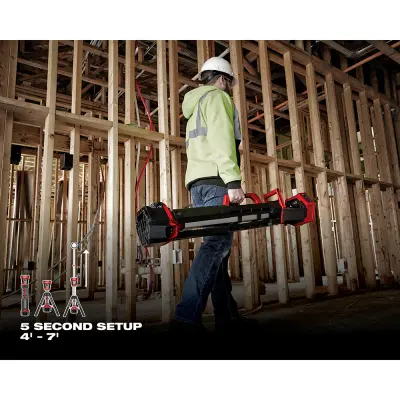
M18 ROCKET™ Tower Light
5-second setup. The jobsite light every tech needs.
Shop at Home Depot →Keep Reading

Got a question? A funny story? A win from the field?
Drop your email and share what's on your mind. Best questions become articles.