
You just spent an hour in someone's living room. You walked the house, checked the system, took photos, sat down at the kitchen table, and laid out three solid options. The homeowner looked at everything, nodded along, and then said the five words every comfort advisor dreads: "We need to think about it."
Here's the thing — that's not a no. But if you treat it like one and pack up your binder, you just became an unpaid consultant. And the next company that walks in gets to close on the foundation you built.
Why They Say It
Most of the time, "I need to think about it" doesn't mean they need more time. It means one of three things is unresolved — price, timing, or trust. They either don't fully understand the value of what you presented, they're not sure they can afford it right now, or they haven't decided if your company is the one they want in their home for the next 15 years.
Your job isn't to pressure them past the objection. It's to figure out which of those three things is actually the holdup — and then address it directly.
What Most People Do Wrong
The two biggest mistakes are folding immediately or getting pushy.
Folding sounds like: "No problem, take your time. I'll leave this quote with you and follow up next week." That feels polite, but what you've actually done is invited them to call two more companies and compare your price against a lower bid with a worse installation.
Getting pushy sounds like: "What do I need to do to earn your business today?" That's a used-car line, and homeowners can smell it. The moment you sound desperate, you've lost the trust you spent an hour building.
There's a middle ground, and it starts with one simple question.
The Three Responses That Actually Work
The first response — and the one to lead with — is the clarifying question: "Totally fair. Usually when someone says that, they're still sorting out one of three things — price, timing, or whether we're the right company. Which one feels biggest to you right now?"
This works because it doesn't fight the objection. It names it. And once the homeowner tells you what's really going on, you can actually help them instead of guessing.
The second response works when you've built solid rapport and the conversation has been going well: "Before I pack up — one honest question. If you did move forward, do you feel confident we're the right company for the job?"
If they say yes, you've just gotten them to recommit to trusting you. From there, the close is natural: "Then with your permission, can I go ahead and get you on the schedule?"
The third response is for when price is clearly the issue but they won't say it directly: "I want to make sure you're comparing apples to apples. A lot of quotes look similar on paper, but the installation quality, the warranty support, and whether the system is actually designed for your home — that's where the real difference shows up. Would it help if I walked through exactly what's included in each option?"
What to Say — Scripts You Can Use
When they say "We need to think about it":
"I completely understand. Before I leave, is there anything about the options I showed you that you'd want me to go over again?"
When they say "We want to get another quote":
"That makes sense — you should feel confident in your decision. What I'd encourage you to compare just as hard as price is the installation itself. Ask them how they size the ductwork, what their warranty covers on labor, and who's actually doing the install. That's where the real cost differences live."
When they say "Let me talk to my husband/wife":
"Of course. Would it make sense for me to come back when you're both here so I can answer any questions together? That way nobody's playing telephone with the details."
The Real Reason This Objection Exists in HVAC
HVAC is different from most sales because the homeowner is making a major financial decision about something they can't see, don't fully understand, and didn't plan for. They're sitting at their kitchen table looking at a number that's probably bigger than they expected, trying to evaluate something they've never bought before.
That's not a pricing problem — it's a confidence problem. And confidence comes from feeling like the person across the table actually cares about getting it right, not just getting the sale.
The best closers in this industry don't close hard. They build so much trust during the first hour that by the time they present options, the homeowner already wants to say yes. The objection only comes up when something in that trust-building process got skipped or rushed.
Key Takeaways
Don't accept "I need to think about it" as the final answer — it's an invitation to find the real concern. Ask the clarifying question: price, timing, or trust. Never chase with immediate discounts — that trains homeowners to expect price drops. If you didn't get both decision-makers in the room, the objection is almost guaranteed. The best way to prevent this objection is to build enough trust during the call that the homeowner feels confident saying yes before you ever present price.
Was this helpful?
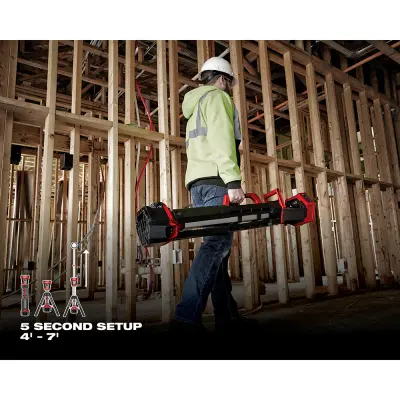
M18 ROCKET™ Tower Light
5-second setup. The jobsite light every tech needs.
Shop at Home Depot →Keep Reading

Got a question? A funny story? A win from the field?
Drop your email and share what's on your mind. Best questions become articles.