
Start with the Manual
This sounds obvious. Most techs don't do it. Every system is different — different sequence of operations, different control board quirks, different startup procedures. The installer who sets up equipment based on "I've done a hundred of these" without reading the specific manual for this model is the one who gets called back two weeks later for something they missed on page 12.
Especially on communicating systems, variable-speed equipment, and anything with a new control board revision: read the manual. It takes 15 minutes. It prevents callbacks.
Refrigerant Line Sets
More callbacks come from line set problems than almost anything else. The common mistakes:
Inadequate insulation. Suction line insulation that's too thin or has gaps sweats in summer, can develop ice, and kills efficiency. In attic runs or where the line transitions from outside to inside, make sure insulation is continuous and properly sealed.
Unsupported runs. Long horizontal runs need support every 5-6 feet. Line sets that sag pull the fittings at both ends, eventually causing stress cracks and leaks.
Improper flaring. A flare that's slightly off-angle or has a small nick will seep refrigerant slowly. It may hold pressure on startup and fail six months later. Take your time on flares.
Trapping the suction line. Suction line must slope back toward the compressor at 1/4" per foot on horizontal runs, and oil traps are required on vertical rises over 5 feet. Miss this and you'll have oil return problems.
The Drain System
Secondary drain pan. Condensate safety switch. Properly sloped drain line. Not optional.
In attic installations especially: a primary drain clog with no secondary drain and no safety cutoff is a ceiling water damage claim waiting to happen. You get a callback, you get an angry homeowner, and you have to eat the damage or fight with insurance.
Always verify the drain line runs continuous downhill with no traps before you button up the installation. Run water through it. Verify it exits where it's supposed to.
Electrical
Label every wire before you pull anything. Photograph the existing wiring before you touch it. Most installation problems come from "I thought I remembered what went where."
Confirm line voltage before starting any work. Breaker sizes matter — an undersized breaker on a new compressor will trip under startup load. An oversized breaker is a fire hazard. Match the breaker to the equipment spec.
Ground the unit properly — to a grounding point, not just back through the neutral.
Startup and Verification
The installation isn't done when the screws are in. It's done when you've verified the system is running correctly.
Check: supply air temperature, return air temperature, delta-T. If you're not seeing 18-22 degrees of temperature split on cooling, something is wrong — low charge, airflow restriction, or equipment problem.
Verify refrigerant charge. Superheat or subcooling depending on the metering device. Log the numbers and write them on the unit. If anyone ever comes back to that system, they know what the original operating conditions were.
Check all electrical connections. A loose wire that seems fine under light load will fail under full load on the hottest day of the year.
Document Everything
Before you leave, fill out your installation checklist. Write the model, serial, installation date, and charge data on the unit. Leave the homeowner with a copy of the operation manual.
If something was unusual about the installation — existing ductwork problems, a non-standard configuration, a homeowner decision about something you recommended against — document it and note it in the job ticket. When someone calls back six months later, you want a record.
Was this helpful?
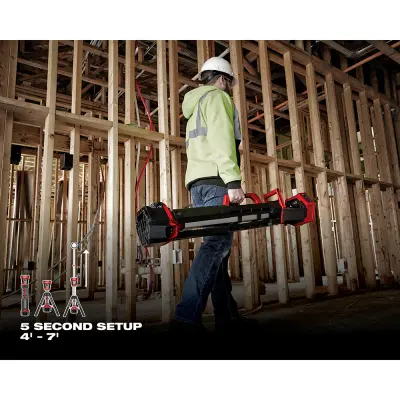
M18 ROCKET™ Tower Light
5-second setup. The jobsite light every tech needs.
Shop at Home Depot →Keep Reading

Got a question? A funny story? A win from the field?
Drop your email and share what's on your mind. Best questions become articles.