
Two Methods, Two Applications
There are two methods for verifying refrigerant charge: superheat and subcooling. You need to know which applies to the system you're charging.
- Fixed orifice systems (pistons, capillary tubes): use superheat
- TXV systems: use subcooling
Some modern systems specify both. Read the equipment documentation.
Superheat Method
Superheat measures how much the refrigerant in the suction line has been heated above its boiling point at the current pressure.
Measure: suction pressure at the service valve. Convert that to saturation temperature using your PT chart. Then measure actual suction line temperature at the suction valve, 6-12 inches from the service port.
Superheat = suction line temperature − saturation temperature
Target superheat varies by system and conditions. For fixed orifice residential systems, look up the target on a charging chart based on indoor wet-bulb temperature and outdoor dry-bulb temperature. The chart is usually in the installation manual or on a sticker inside the unit.
General range: 10-15°F is common target territory. Below 5°F risks liquid returning to the compressor. Above 20°F typically means low charge or a restriction.
Subcooling Method
Subcooling measures how much the liquid refrigerant in the liquid line has been cooled below its condensing point.
Measure: liquid line pressure at the service valve. Convert to saturation temperature. Measure actual liquid line temperature near the liquid valve.
Subcooling = saturation temperature − liquid line temperature
TXV system targets are typically 10-15°F subcooling. Low subcooling indicates low charge or a restriction. High subcooling indicates overcharge.
Conditions for Accurate Charging
You cannot get accurate charge readings on a system that hasn't stabilized. Give the system 10-15 minutes of runtime before you trust your numbers. Both indoor and outdoor conditions affect your readings.
For accurate charging: indoor should be in the 70-80°F range, outdoor above 55°F and below 110°F. Outside that envelope, your readings are guidelines, not gospel. Document conditions whenever you charge.
Nitrogen Pressure Test Before You Charge
Never add refrigerant to a system that's been open without first pressure testing with nitrogen. This catches leaks before you introduce refrigerant, which is expensive and increasingly regulated.
Nitrogen test at the manufacturer's specified pressure (typically 150-200 PSIG for R-410A systems). Hold for 15-30 minutes. Any drop indicates a leak. Find it before you proceed.
Weigh Your Charge In
On new installations, weigh the refrigerant in rather than relying on gauge readings alone. The manufacturer specifies a factory charge for the system and an additional charge per foot of lineset beyond the rated length. Use this as your starting point, then verify with superheat or subcooling readings.
Weigh-in charging on new equipment is more accurate than charging by feel. It also gives you a documented starting point if someone comes back to the system later.
Was this helpful?
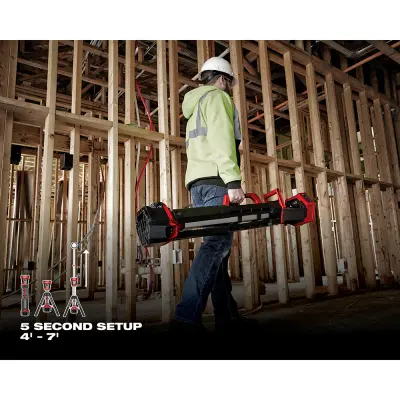
M18 ROCKET™ Tower Light
5-second setup. The jobsite light every tech needs.
Shop at Home Depot →Keep Reading

Got a question? A funny story? A win from the field?
Drop your email and share what's on your mind. Best questions become articles.