
Why Price Objections Aren't Always About Price
When someone says your price is too high, they're almost never doing perfect price-comparison math in their head. What they're usually expressing is one of these:
- Sticker shock — they didn't have a number in mind and yours surprised them
- Value doubt — they're not sure you're worth the premium over someone cheaper
- Trust gap — they don't know you well enough to feel confident spending that much
- Budget reality — the money genuinely isn't there
Each of these requires a different response. The mistake is treating every price objection as pure price comparison and responding by cutting your number. That only works for the last category — and even then, it's not always the right move.
The Question That Changes Everything
When someone says "that's too high," the best first move is: "Can you help me understand? Is it that you found someone lower, or is it more that the number was higher than you expected?"
This separates sticker shock from real competition. If they haven't gotten another quote, the objection is about expectation, not comparison. That's a much easier conversation.
If they do have another quote, ask: "What did the other quote include?" Most of the time, cheaper quotes are incomplete — they're just equipment, or just labor, or they're excluding the permit, startup, or warranty. Understanding the comparison lets you compare apples to apples.
Don't Apologize for Your Price
The tone you use when discussing your price matters as much as the words. If you seem defensive or apologetic, you're signaling that you think your price is too high too.
Own your number. "Yes, our price is $X. Here's what that includes." Then go through the value — equipment, installation quality, warranty, your reputation, whatever makes your number real.
You don't have to be aggressive or defensive. Just confident. "We're not the cheapest company in town. We're not trying to be. We want to be the best value, and for most customers, those aren't the same thing."
The Comparison Close
If they genuinely have a lower quote, don't dismiss it. Acknowledge it: "I appreciate you being straight with me about that. I want to make sure you're comparing the same thing."
Then go through the details. What brand? What SEER? What warranty? Who's the installing technician? What happens if there's a problem six months from now?
Most homeowners haven't asked those questions. Walking them through the comparison does two things: it shows you're confident enough to discuss the competition openly, and it reveals real differences that often justify the price gap.
When You Can Move on Price
If after the comparison and value discussion the customer still pushes back, you have options:
- Remove something: "If we go with a 16 SEER instead of 18 SEER, I can bring it down to $X. Here's what changes."
- Add value: "I can include a one-year maintenance agreement at no charge. That's $200 of value."
- Offer financing: "If the total is the concern, we have a payment option where this becomes about $75 a month."
What you should almost never do: just drop the price without explanation. Price cuts without reason train customers to negotiate every time, signal that your original number was padded, and erode trust.
Was this helpful?
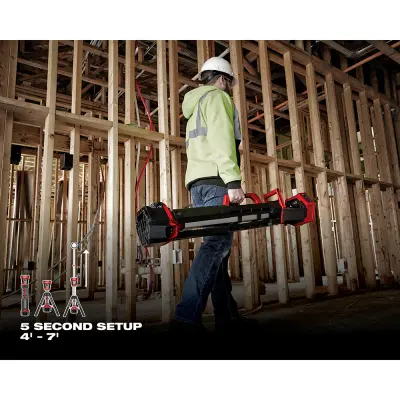
M18 ROCKET™ Tower Light
5-second setup. The jobsite light every tech needs.
Shop at Home Depot →Keep Reading

Got a question? A funny story? A win from the field?
Drop your email and share what's on your mind. Best questions become articles.