
You showed up to fix a capacitor. Two hours later, the homeowner is signing paperwork for a full system replacement. That's not luck — it's a process. And the techs who do it consistently aren't being pushy. They're being thorough.
The difference between a $300 service ticket and a $12,000 sale usually comes down to the last 15 minutes of the call — the conversation that happens after the diagnosis, when you show the homeowner what you actually found and give them a real choice between patching and solving.
Secure Time Before You Start
The single biggest mistake techs make is jumping straight into the diagnosis without setting expectations. You're head-down in the furnace for 45 minutes, you find a cracked heat exchanger, and now you need to have a serious conversation — but the homeowner has a meeting in 20 minutes and you never mentioned this might take a while.
Before you touch a single panel, say this: "This might take about an hour depending on what I find and any questions you have. Will that work for you?"
That one sentence does two things. It tells the homeowner you're thorough, not rushed. And it reserves time for the conversation after the diagnosis — the part where options get presented and real decisions get made.
Get Permission Before You Pivot
Nobody likes feeling ambushed. If you diagnose a bad blower motor and then immediately pivot to "have you considered replacing the whole system?" — the homeowner's guard goes up instantly. They called you to fix one thing and now you're trying to sell them something ten times more expensive.
The fix is permission. After showing them what you found, say: "Would it be okay if, once I walk you through the repair option, I also show you what a longer-term solution looks like? That way you can compare before you decide."
You're not pushing replacement. You're asking if they want to see their options. Almost everyone says yes to that because it feels like you're respecting their intelligence, not manipulating their situation.
Use Photos to Build the Case
You can tell a homeowner their heat exchanger has a crack. Or you can show them the photo on your phone while you explain what it means. One of those is a claim. The other is evidence.
Take pictures and videos of everything — the corroded flue pipe, the undersized return, the filter that looks like it's been in there since the house was built. Then sit down and walk them through it: "I took a few photos because I know you're not going to crawl back there — and you shouldn't have to. Let me show you what I found."
This isn't a sales technique. It's transparency. And transparency is the fastest path to trust. When the homeowner can see what you see, the conversation about repair versus replacement practically has itself.
Ask the Questions That Lead There Naturally
The best service-to-replacement conversations don't feel like a pivot. They feel like a natural extension of the diagnosis. That happens when you ask the right questions early.
During the walk-through or while you're working, drop in questions like: "How long have you been dealing with comfort issues in this house?" "Are there rooms that never seem to get to the right temperature?" "How much longer were you hoping to get out of this system?" "What would frustrate you most if something else failed in six months?"
These aren't trick questions. They're diagnostic questions that also reveal how the homeowner feels about their system. If they say "honestly, it's been a headache for years" — that's your opening to show them what a clean start looks like.
How to Handle "Just Fix It for Now"
This is the most common response when you bring up replacement, and it's completely fair. Don't fight it. Don't act disappointed. Just make sure they're making an informed decision.
Say something like: "We can absolutely do the repair. I also want to show you what the replacement path looks like so you can compare short-term cost versus long-term investment. That way you're deciding with the full picture, not just today's number."
Then lay out both options side by side. Repair cost, what it does and doesn't fix, expected remaining lifespan. Replacement cost, what changes, what the warranty covers, and what the monthly comfort and efficiency difference looks like. Let the homeowner compare and decide.
Some people choose the repair. That's fine. You did your job — you gave them options, explained the tradeoffs, and let them make the call. Many of those people call back in 6 to 12 months ready to replace, and they call you because you didn't pressure them the first time.
The One-Leg Problem
If only one decision-maker is home, your odds of closing a major sale drop dramatically. This is especially true for system replacements because the number is large enough that both homeowners typically need to agree.
If you sense the conversation is heading toward replacement and only one person is there, acknowledge it early: "This is a big decision, and I want to make sure you both have the same information. Would it make sense for me to come back when your husband is home so I can walk you both through the options together?"
That's not losing the sale — it's protecting it. A homeowner who tries to relay your presentation secondhand will almost always get the details wrong and the other spouse will default to "let's get another quote."
The Mindset Shift
Turning a service call into a replacement sale isn't about being a closer. It's about being a thorough diagnostic professional who gives homeowners complete information instead of just the minimum to fix today's problem.
The best techs in this industry don't think of it as "selling replacement." They think of it as "showing the homeowner all their options." When you do that honestly — with photos, clear language, and zero pressure — the right decision makes itself.
Key Takeaways
Set time expectations before you start working so you're not rushed later. Get permission before pivoting from repair to replacement. Use photos of what you found — evidence beats claims every time. Ask questions during the walk-through that reveal how the homeowner feels about their system. When they say "just fix it," show both options side by side and let them decide. If only one decision-maker is home, offer to come back when both can hear the options together.
Was this helpful?
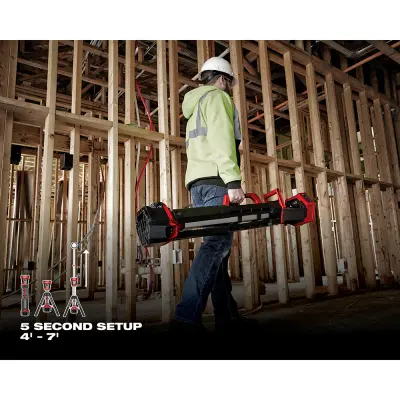
M18 ROCKET™ Tower Light
5-second setup. The jobsite light every tech needs.
Shop at Home Depot →Keep Reading

Got a question? A funny story? A win from the field?
Drop your email and share what's on your mind. Best questions become articles.