
Customer says the furnace is making a loud noise. Before anything else, separate the noises that are nuisance or old-equipment character from the ones that mean shut it down tonight. Most furnace sounds are benign — duct expansion, motor startup, normal ignition whoosh. But a few are safety events, and knowing the difference is the whole job on this call.
The seven noises that mean immediate shutdown
Booming or whumping at ignition (delayed ignition). Burner roar or visible flame out the front (flame rollout). Metal-on-metal scraping from the blower compartment. Grinding or screaming inducer bearings — especially escalating. Rumble or unstable combustion noise from the burner section. Hissing or whistling that changes when the blower starts (possible heat exchanger breach). Any of the above paired with a repeated safety trip.
The combustion noises
1. Booming or whumping at ignition.
The single most dangerous furnace noise. Gas accumulates before it lights, then ignites all at once — a pressure event you can feel in the cabinet. It'll crack a heat exchanger, blow out an inspection door, and hurt whoever's standing in front of it. Common causes: dirty burners, poor flame carryover, weak or mispositioned igniter, wrong gas pressure, misaligned burners. Do not cycle it again to "hear it one more time." Lock it out. Pull and clean burners, inspect carryover slots, verify igniter position, manometer the gas pressure, verify smooth light-off over multiple starts before returning to service.
2. Flame rollout — a roar or blowtorch sound out the burner vestibule.
Combustion gases are backing up and flame is escaping the combustion chamber. Causes: blocked heat exchanger passages (including clogged secondary on 90+ units), blocked flue or venting, failed inducer, severe combustion air problem, or a cracked exchanger disrupting draft. Risk is fire, burned wiring, burned equipment, burned tech. Shut it down immediately. Never jumper a rollout switch. Carrier literature is explicit: correct inadequate combustion air or improper venting before resetting the rollout.
3. Combustion rumble or drum-like resonance from the burner section.
Not airflow noise from the blower — a deep rumble or unstable roar from the combustion area. Points to burner contamination, unstable flame, wrong gas pressure, venting issues, or combustion imbalance. Any abnormal combustion sound warrants immediate inspection. Combustion analyzer should come out. BPI benchmark: abort diagnostics if ambient CO exceeds 35 ppm, and undiluted flue CO should stay below 100 ppm.
4. Hissing or whistling that changes when the blower starts.
A cracked heat exchanger is usually silent — but if the breach is big enough to alter airflow, you may hear a hiss or whistle, and almost always see flame disturbance when the blower kicks on. Watch the burner flames before and after blower startup: flame displacement, floating, or rollout when the blower starts is the AGA indicator of open crack, split seam, or severe deterioration. Shut it down pending inspection.
The mechanical noises
5. Metal-on-metal scraping from the blower compartment.
Wheel shifted on the shaft, broken mount, failed bearing, foreign object, wheel distortion. Not a combustion hazard but an imminent mechanical hazard — continued operation destroys the wheel, motor, and housing, and often ends in a hard stop during peak load. If it's true metal-on-metal contact that tracks blower speed, shut it down. Disconnect power before inspecting.
6. Inducer grinding, clacking, or escalating bearing scream.
The inducer isn't just a convenience fan — it's a combustion safety component. Failing bearings or wheel rub that degrades draft shifts the call from "noisy motor" to improper venting, pressure switch faults, and rollout risk. If the noise is severe, escalating quickly, or paired with any pressure switch trouble or rollout evidence, shut it down. Don't ask it to survive another cold snap.
7. Repeated safety trips + any abnormal noise.
The noise is the symptom. The repeat trip is the furnace telling you the condition is unsafe. Rollout that resets and trips again. Ignition lockout that keeps relocking out. Pressure switch faults paired with inducer noise. Lock it out and find the cause. Never jumper a rollout.
Noises that sound alarming but usually aren't
A healthy ignition is a quick smooth whoosh — not a boom that shakes the cabinet. Duct expansion ticking and popping is sheet-metal movement and doesn't originate in the burner area. Normal inducer startup is a light motor ramp. Mild cabinet resonance on blower startup happens on older transition pieces. The test isn't "is there any noise" — it's whether the noise comes with flame instability, safety trips, visible damage, or worsening mechanical contact. Normal noises stay stable. Dangerous noises don't.
What to say to the customer
When you're shutting down equipment on a cold day, the conversation has to be factual, not theatrical:
"This furnace is making a noise that points to a combustion or mechanical safety problem, not a normal wear noise. I'm not comfortable leaving it running — the risk isn't just losing heat later, it's damage to the furnace or a safety issue. My next step is to document what I found, show you, and give you the safest repair path and temporary heat options."
If it's cold out and the customer pushes back:
"I know it's cold. I don't shut heat off lightly. In this case the safer move is to keep it off, get the repair plan in motion, and figure out temporary heat until this can be returned to service safely."
What not to do
Don't reset repeated rollouts or ignition lockouts without finding the cause. Don't jumper a safety switch — ever. Don't assume the homeowner's description is accurate; a "pop" can mean duct expansion or delayed ignition. Don't leave a furnace running after finding rollout evidence, scorched wiring near the burners, or flame disturbance on blower startup while the customer "gets a second opinion." Don't dismiss a noise because "it's done that for months" — delayed ignition and rollout often persist right up until they cause bigger damage.
Key takeaways
- Boom at ignition, rollout roar, metal-on-metal scrape, escalating bearing scream, or flame disturbance on blower startup — shut it down.
- Repeated safety trips paired with any abnormal noise means the safety is doing real work. Find the cause before resetting.
- Normal ignition is a smooth whoosh. Duct pops are sheet metal. Benign resonance is benign. Dangerous noises come with flame instability, safety trips, or active mechanical contact.
- Never jumper a rollout switch. Not for a test, not for a customer, not ever.
- On a cold day when you're shutting it down, be factual, not dramatic. The decision isn't negotiable when the issue is rollout, delayed ignition, or suspected exchanger failure.
Was this helpful?
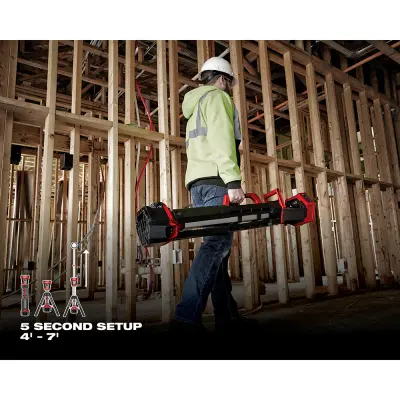
M18 ROCKET™ Tower Light
5-second setup. The jobsite light every tech needs.
Shop at Home Depot →Keep Reading

Got a question? A funny story? A win from the field?
Drop your email and share what's on your mind. Best questions become articles.