
You walk in. Water on the floor by the furnace, customer's freaking out about their floors or the water heater next to it. Before you touch anything, the first question decides the whole call: is this a 90%+ condensing furnace (which is supposed to make water) or an 80% standard-efficiency furnace (which shouldn't be making water at all during heating)?
The first branch decides everything
On a 90%+, water is normal — a leak means the condensate system isn't clearing it. Clogged trap, bad drain line, wrong vent slope, condensate pump failure. Standard stuff. On an 80%, water usually isn't from the furnace at all — it's tracking down from the AC coil above, a humidifier, a plumbing leak, or a roof leak. If you confirm it really is coming from an 80% furnace, that's a venting or combustion problem and it's serious.
Diagnostic flow
1. Identify the furnace type.
PVC intake/exhaust, collector box, visible trap, drain tubing: 90%+. Metal B-vent up through the roof, no visible condensate system: 80%. Check the nameplate AFUE if you need to confirm. This one-second ID changes everything that follows.
2. Find the true origin of the water before touching anything.
Dry the area. Run a heat call. Flashlight and mirror the cabinet seams, top of the furnace, the AC coil case above it, humidifier, vent joints, nearby piping. Find the highest wet point and the first component getting wet. If the top of the cabinet is wet before anything inside is, the water is coming from above — coil, humidifier, plumbing, roof. Don't diagnose a furnace that isn't actually leaking.
3. Check pitch on the furnace, drain lines, and venting.
Torpedo level. Drain lines should pitch at least 1/4" per foot toward the drain — not 1/8", not level, not uphill. On 90%+ furnaces, horizontal PVC vent should also slope back toward the furnace at 1/4" per foot so condensate returns to the trap. A surprising percentage of "intermittent" leaks come down to a sag, a double trap, or a hidden belly in the line.
4. On a 90%+, start with the trap.
Pull it, flush it, inspect every port. A partially clogged trap is the single most common failure mode — and it causes callbacks because the furnace may run fine after a reset, then leak again once condensate backs up. Check for cracks and confirm it's installed in the correct orientation and height per the brand. Prime it before restart. If the trap was the only problem, the leak and any nuisance pressure-switch faults usually disappear together.
5. Clear the drain line after the trap.
Flush with water, wet-vac the outlet, check for slime, debris, sags, uphill sections, and double traps. If the line common-drains with the AC coil, verify the coil side is vented and configured so it doesn't interfere with furnace drainage. If the line terminates outdoors and freezes in winter — fix the routing or protect it.
6. Inspect the collector box, inducer, and internal drain paths.
Standing water in the inducer housing or collector area means condensate is backing up internally. That points back to trap, drain, vent pitch, or internal tubing — not "replace the inducer." Look for rust trails, white deposits, cracked hoses, or water leaking from a header/collector transition (that last one moves the call toward component failure).
7. Test the condensate pump under load, if there is one.
Fill the reservoir manually. Watch the float actuate. Verify the discharge clears and the check valve doesn't let water fall back. A stuck float or bad check valve looks exactly like a furnace leak. On installs requiring a pump, the pump is part of the furnace water-management system, not an accessory — and it must be rated for acidic condensate.
8. If it's an 80% furnace and the water really is from it, check venting and flue temp.
Only after you've ruled out AC coil, humidifier, and plumbing. Combustion analysis or stack temp check at the vent connector. Healthy 80% furnaces run around 300-400°F flue temp; readings under 300°F suggest underfiring, oversized venting, or excessive heat extraction — any of which can produce condensation that corrodes the vent or heat exchanger. This is a safety problem, not a drain problem.
9. Only after drain path is correct, consider heat exchanger or collector failure.
If the trap is clean, drain is clear, pitch is right, vent is good, and water is still leaking from inside the cabinet at a header or collector area — now you're into repair-or-replace and the safety conversation.
What to say to the customer
Clogged trap on a 90%+: "This furnace is supposed to make water because it's high-efficiency. The problem is the water can't get out fast enough — the trap is restricted, so it's backing up and leaking. I'm clearing it now and verifying the whole drain path so it doesn't come right back."
Water from somewhere above on an 80%: "The furnace is where you're seeing the water, but it's not actually making it. The source is your AC coil / humidifier / a leak above the cabinet, and the water is tracking down. I'll show you the real source so we're solving the right problem."
Water from an 80% furnace itself: "This style of furnace shouldn't be producing liquid water during heating. If it is, that usually means a venting or combustion problem — which is more serious than a drain issue because it can corrode the heat exchanger. I need to run some tests to confirm exactly what we're dealing with."
Heat exchanger or collector failure: "I ruled out the normal drainage causes first. The water is coming from a component that should be containing it, so we're past maintenance and into repair-or-replace. I want to treat this as a safety issue, not just a water issue."
Common misdiagnosis
Clearing the trap but missing the blocked drain line downstream — leak comes right back. Replacing a condensate pump without checking the float or check valve. Calling every water leak on a 90%+ a "trap problem" without verifying vent slope. Missing that the water is coming from the AC coil above the furnace in summer months. Treating flue gas condensation on an 80% like a nuisance drain issue instead of what it is — a combustion or venting problem.
Key takeaways
- Branch on furnace type first. 90%+ makes condensate by design; 80% shouldn't be making water at all.
- Find the true origin of the water before you touch a part.
- On 90%+: trap, drain, pitch, vent slope, pump — in that order.
- On 80%: water is usually from somewhere else. If it really is from the furnace, suspect venting.
- Drain problems cause more pressure-switch nuisance faults than bad pressure switches do.
Was this helpful?
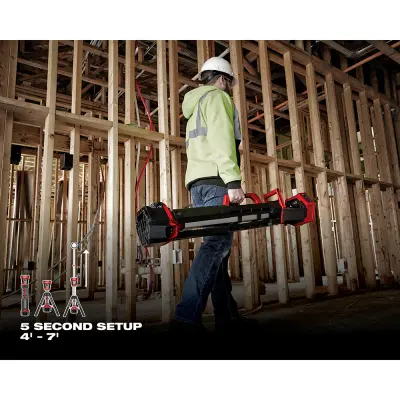
M18 ROCKET™ Tower Light
5-second setup. The jobsite light every tech needs.
Shop at Home Depot →Keep Reading

Got a question? A funny story? A win from the field?
Drop your email and share what's on your mind. Best questions become articles.