
Understand What You're Actually Selling
Before you can explain these systems simply, you need to understand them well enough to use analogies.
A single-stage system is like a light switch — full on or full off. A two-stage system is like a dimmer — runs low most of the time, kicks to high when it needs to. A variable-speed system is like cruise control — constantly adjusting to maintain exactly the right conditions.
Heat pumps move heat instead of creating it. In heating mode, they extract heat from outside air and move it inside. Below about 35 degrees, most systems need backup heat, but in moderate climates they're significantly more efficient than gas furnaces for most of the heating season.
These analogies work. Use them.
The Efficiency Conversation
Most homeowners think efficiency means "costs more upfront, saves a little bit monthly." They don't have a good feel for the actual numbers.
Give them the numbers. A 14 SEER system vs. an 18 SEER system on a home that spends $200/month on cooling: the higher efficiency unit saves roughly $44/month, or $528/year. Over 15 years, that's nearly $8,000 in energy savings.
When the upgrade cost is $800-1,200 more upfront, the math is obvious. You're not upselling them — you're showing them the better financial decision.
Don't make them do the math themselves. Do it for them, in front of them.
Comfort Is the Real Sell
Efficiency numbers matter, but comfort is what closes the sale.
Variable-speed equipment doesn't just save money — it fundamentally changes how a home feels. Instead of blasting cold air until the thermostat is satisfied and then shutting off, a variable-speed system runs continuously at a low stage. The result is:
- More even temperatures throughout the home
- Better dehumidification (because the system runs longer at lower capacity)
- Quieter operation
- Less dust cycling because the air is filtered more continuously
Ask homeowners: "Are there any rooms that are harder to cool? Do you find the humidity feels heavy sometimes even when the temperature is okay?" Those are variable-speed pain points. Name the problem, then explain how the equipment solves it.
The Heat Pump Conversation
Heat pumps create confusion because the name is confusing. Most homeowners have no mental model for them.
Keep it simple: "A heat pump is an air conditioner that can run in reverse. In the summer, it works exactly like a regular AC. In the winter, instead of burning gas, it pulls heat from the outside air and brings it inside. It uses electricity, but it's typically two to three times more efficient than electric resistance heat — which is why your bills can actually go down even though you're not burning gas."
Then address the cold-climate concern directly: "In our area, temperatures don't usually stay below freezing for long stretches, so a heat pump works well here. We pair it with a backup heat strip for the coldest nights."
If there are incentives or rebates available in your area, mention them. Federal tax credits and utility rebates have made heat pump economics significantly better in recent years.
Handling "I Just Want a Basic System"
This objection usually comes from sticker shock or from a homeowner who doesn't trust that the upgrade is real.
Don't argue. Ask a question: "Totally understand. Can I ask — is the budget the main concern, or is it more that you're not sure the upgrade is worth it?"
If it's budget, talk financing. A $50/month upgrade to a variable-speed system might cost $15/month more than the basic unit but save $35/month in energy. The math flips.
If it's skepticism, respect it. Don't oversell. Share one specific outcome: "The main thing I hear from customers who go with the variable-speed is that the house just feels more comfortable — no more hot spots, no more humidity feeling heavy. That's the thing that surprises people most."
Then let them decide.
Was this helpful?
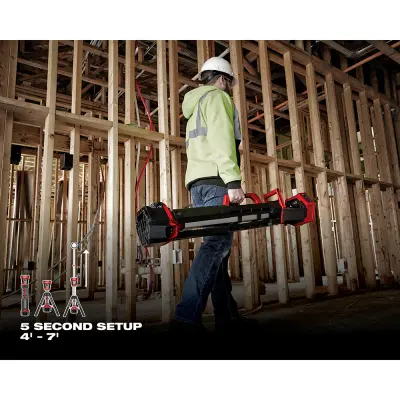
M18 ROCKET™ Tower Light
5-second setup. The jobsite light every tech needs.
Shop at Home Depot →Keep Reading

Got a question? A funny story? A win from the field?
Drop your email and share what's on your mind. Best questions become articles.