
Why Calls Don't Convert
Most lost calls fall into a few predictable patterns:
The price quote trap — Customer asks "how much does it cost to fix my AC?" Rep gives a range or says "it depends." Caller hangs up and calls the next company. The fix: don't give prices over the phone for diagnostic work. Book the call instead. "I can't give you an accurate number without seeing what's going on — but I can get a tech out there and we'll give you a firm price before any work is done. What's your availability?"
The hold spiral — Customer calls, gets put on hold before being properly greeted, waits 90 seconds, hangs up. Fix: never put a caller on hold before you've gotten their name and confirmed you're going to take care of them.
The passive close — Rep answers questions but never asks for the appointment. "Okay, do you want to schedule?" is weak. "I have Thursday at 2 or Friday morning — which works better for you?" is a close.
The tone problem — Flat, scripted, or impatient responses communicate that you don't want the call. Warm, engaged, slightly upbeat energy communicates that this call matters. Customers feel it instantly.
The Perfect First 20 Seconds
Here's what the first exchange should sound like:
"Thank you for calling [Company], this is Sarah — how can I help you today?"
Customer explains their problem.
"Oh, I'm sorry to hear that — I know how frustrating it is when your AC goes out. Let me get you taken care of. Can I get your name and the address of the property?"
That's it. You've expressed empathy, you've signaled that you're going to solve the problem, and you've moved toward booking before they can ask about price.
Empathy Is Not Soft — It's Strategic
The single biggest differentiator between average and great CSRs is empathy. Not fake empathy, not scripted empathy — real acknowledgment that the person calling has a problem and it sucks.
"Your furnace went out overnight with kids in the house? Let's get someone out there today — I'll look at our emergency availability right now."
That one response makes them feel heard, creates urgency on your side, signals competence and care, and removes their motivation to call someone else.
Customers don't price-shop empathy. They go with whoever made them feel taken care of.
Booking Language That Actually Works
Weak: "Do you want to schedule?" Strong: "I have Thursday at 2 or Friday morning — which works better for you?"
Weak: "What's your availability?" Strong: "Are mornings or afternoons better for you generally?"
Weak: "We'll try to fit you in." Strong: "I'm going to get you on the schedule today. You'll receive a confirmation by text."
Always offer two specific options. The alternative-choice close works on the phone the same way it works in person.
Training Your CSR
If you have a dedicated CSR, role-play matters more than any manual. Have them practice:
- Getting callers' names and using them
- Transitioning from problem to booking without discussing price
- Handling "I just want to know how much it costs"
- Offering two specific times instead of open-ended questions
- Ending every call with a confirmation and a "see you then"
Record calls (with disclosure where required) and review them together. Most CSRs want to do better — they just don't have a mirror showing them where they're losing calls.
The Revenue Math
If your company receives 200 inbound calls per month and converts 42%, that's 84 bookings. At an average ticket of $350, that's $29,400.
If you improve conversion to 65%, that's 130 bookings — $45,500. Same ad spend. Same market. Same prices. Just better phone handling.
The gap between 42% and 65% is worth $16,000 per month. What does that training cost? A few hours and some role-play.
Was this helpful?
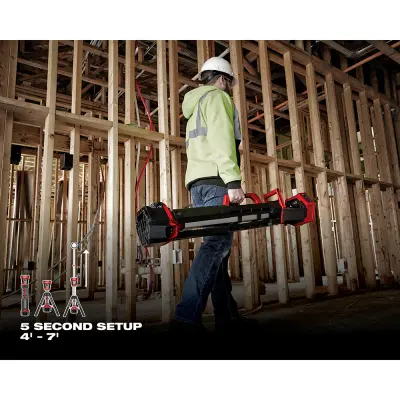
M18 ROCKET™ Tower Light
5-second setup. The jobsite light every tech needs.
Shop at Home Depot →Keep Reading

Got a question? A funny story? A win from the field?
Drop your email and share what's on your mind. Best questions become articles.