
The Four Stages
Stage 1 — Apprentice/Helper
You're learning everything. Proper use of tools, reading schematics, handling refrigerant, attic work, crawl space work. You're riding with experienced techs and absorbing. This stage is about building a foundation.
Focus: ask questions, don't be afraid to look dumb, and develop a reputation as someone who works hard and wants to learn. That reputation matters more at this stage than your technical knowledge.
Stage 2 — Journeyman Technician
You're handling service calls independently. You can diagnose common problems, make repairs, and interact with customers. You may still have gaps in complex diagnostics or unfamiliar equipment.
Focus: broaden your diagnostic confidence. If you only work on comfort cooling, go learn commercial refrigeration. If you only do residential, ask to ride along on a commercial job. The broader your competence, the harder you are to replace.
Stage 3 — Lead Technician
You're handling complex diagnostics that other techs escalate. You may be training newer technicians. You're trusted with difficult customer situations.
Focus: develop your teaching skills. The ability to explain what you know clearly is a multiplier — it makes you valuable as a trainer, a technical resource, and eventually a manager.
Stage 4 — Beyond the Field
Service manager. Sales. Business owner. At some point, the ceiling on field income is real. Moving into management or sales or starting your own operation is how you unlock the next level of income.
Certifications That Matter
EPA 608: Required to handle refrigerants. Non-negotiable. Get Universal certification (all types) even if you're only doing residential — the cost to upgrade is low and it opens all doors.
NATE: Industry-standard technical certification. NATE-certified technicians command higher wages and are preferred by many employers. The specialty certifications — heat pumps, air distribution, hydronics — are the most valuable.
State licenses: Most states require licensing for HVAC work. Know your state's requirements.
Manufacturer certifications: Factory training and certification from Carrier, Trane, Lennox, and others. Valuable for warranty work and demonstrates competence on specific equipment lines.
What Determines Your Income
Years of experience matters less than competence, certifications, and the willingness to take on responsibility. A 3-year technician with Universal 608, NATE certification, and the ability to handle complex diagnostics independently will out-earn a 10-year tech who's been doing the same calls on repeat.
In residential service, the income ceiling for a field technician is roughly $65-85K in most markets, more in high-cost-of-living areas. Crossing $100K in the field requires moving to commercial/industrial work, supervisory responsibility, or moving into sales.
The Fastest Path Forward
Take every certification you can. Volunteer for the hard calls. Ask to see new equipment and new problems. Be reliable — show up on time, finish what you start, communicate when things change.
Build relationships with customers and with the people you work with. The HVAC industry is smaller than it looks. People remember who was good to work with. Those memories follow you for a decade.
Was this helpful?
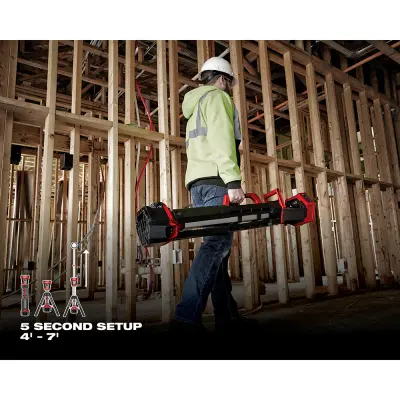
M18 ROCKET™ Tower Light
5-second setup. The jobsite light every tech needs.
Shop at Home Depot →Keep Reading

Got a question? A funny story? A win from the field?
Drop your email and share what's on your mind. Best questions become articles.